
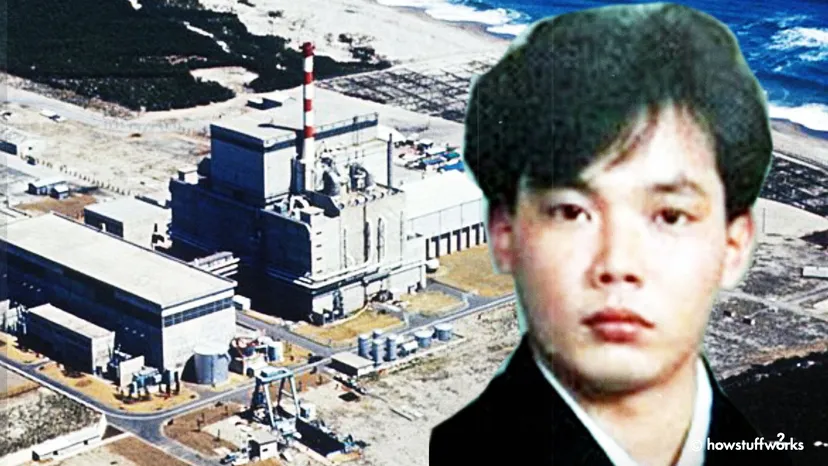
Hisashi Ouchi was a Japanese nuclear worker who became widely known after a tragic nuclear accident in 1999. The keyword “hisashi ouchi” is often searched by people who want to understand what happened during this incident and why it is remembered in history.
He worked at a nuclear processing facility in Tokaimura, Japan. His job involved handling nuclear materials used for energy production. This type of work required strict safety rules and careful procedures.
The keyword “hisashi ouchi” became known worldwide because his case is connected to one of the most serious nuclear accidents in Japan. Many people search his name to learn about nuclear safety and the dangers of radiation exposure.
His story is often discussed in science education, safety training, and nuclear energy studies because it shows how important strict safety systems are in high-risk industries.
The Tokaimura Nuclear Accident Explained
The Tokaimura nuclear accident happened in 1999 at a nuclear fuel processing plant in Japan. Hisashi Ouchi and two other workers were involved in the incident while handling uranium fuel.
The keyword “hisashi ouchi” is strongly connected to this accident because he received the highest level of radiation exposure during the event.
The accident happened when workers used an unsafe method to process nuclear fuel. This caused an uncontrolled nuclear reaction called a criticality accident.
A criticality accident releases a sudden burst of radiation. This is extremely dangerous and can cause severe damage to the human body within seconds.
How the Accident Happened
The accident occurred when workers added too much uranium solution into a precipitation tank. This mistake led to an uncontrolled nuclear reaction.
The keyword “hisashi ouchi” is often searched to understand how such a serious error could happen in a controlled nuclear facility.
Instead of following safety procedures, the workers used a faster but unsafe method. This decision caused the uranium to reach a critical state.
When the reaction started, a large amount of radiation was released into the facility. Workers nearby were exposed instantly.
Radiation Exposure of Hisashi Ouchi
Hisashi Ouchi received one of the highest recorded doses of radiation in history. The exposure severely damaged his body at the cellular level.
The keyword “hisashi ouchi” is often linked with studies about radiation effects and nuclear safety risks.
Radiation exposure affects human cells by breaking DNA and stopping normal cell repair. In extreme cases, it destroys the body’s ability to recover.
Ouchi’s exposure was so severe that it caused widespread internal damage to his organs and immune system.
Immediate Effects After the Accident
Right after the accident, Hisashi Ouchi and the other workers experienced severe symptoms caused by radiation exposure. These included burns, pain, and rapid physical deterioration.
The keyword “hisashi ouchi” is often associated with these early effects because they show how dangerous radiation can be.
Hospitals immediately transferred him for emergency treatment. Doctors worked hard to stabilize his condition.
However, the damage caused by radiation was extremely severe, making recovery very difficult.
Medical Treatment and Challenges
Doctors tried many advanced treatments to save Hisashi Ouchi’s life. These included skin grafts, blood transfusions, and experimental medical procedures.
The keyword “hisashi ouchi” is frequently searched in medical discussions because his case is studied in radiation medicine.
His immune system was severely damaged, so his body could not fight infections. Even small infections became life-threatening.
Medical teams continued treatment for weeks, but radiation damage affected nearly every part of his body.
Why His Case Is Famous
Hisashi Ouchi’s case became famous because it shows the extreme danger of nuclear accidents. It is often used in education about radiation safety.
The keyword “hisashi ouchi” appears in science discussions, documentaries, and nuclear safety studies.
His case is not just about one accident. It is also about how important safety systems are in nuclear industries.
People study his case to understand what happens when safety rules fail in high-risk environments.
Lessons From the Tokaimura Accident
The Tokaimura accident teaches many important lessons about nuclear safety and workplace responsibility.
The keyword “hisashi ouchi” is often used in discussions about improving safety protocols in nuclear facilities.
One major lesson is the importance of following strict procedures. Even small shortcuts can lead to dangerous consequences.
Another lesson is the need for proper training. Workers must fully understand the risks before handling nuclear materials.
Importance of Nuclear Safety Rules
Nuclear energy can be useful, but it must be handled with extreme care. Safety rules are designed to prevent accidents like the Tokaimura incident.
The keyword “hisashi ouchi” highlights what can happen when safety rules are ignored.
These rules include controlled handling of materials, proper equipment use, and strict monitoring systems.
Without these systems, nuclear facilities can become extremely dangerous environments.
How Radiation Affects the Human Body
Radiation affects the body by damaging cells and DNA. This damage prevents cells from repairing themselves normally.
The keyword “hisashi ouchi” is often searched by students learning about radiation biology and its effects.
High levels of radiation can cause burns, organ failure, and immune system collapse.
In extreme cases, like Ouchi’s, the body loses its ability to recover from injuries.
Hospital Response and Care Efforts
After the accident, doctors used advanced medical care to treat Hisashi Ouchi. They worked under extremely difficult conditions.
The keyword “hisashi ouchi” is often connected to medical case studies in emergency medicine.
Doctors used artificial skin, transfusions, and infection control methods to support his body.
Even with these efforts, radiation damage was too severe for full recovery.
Ethical Discussions Around His Case
Hisashi Ouchi’s case also raised ethical discussions about medical treatment and patient care.
The keyword “hisashi ouchi” appears in debates about how long life-support treatment should continue in extreme cases.
Some discussions focus on patient suffering and medical decision-making in critical conditions.
These ethical questions are still studied in medical and bioethics fields today.
Impact on Nuclear Industry Safety
The Tokaimura accident led to major changes in nuclear safety rules in Japan and other countries.
The keyword “hisashi ouchi” is often mentioned in safety reports and industry reforms.
Stricter training programs and emergency systems were introduced after the accident.
These improvements aimed to prevent similar incidents in the future.
Public Awareness and Media Coverage
The Tokaimura accident received global media attention due to its severity and impact on workers.
The keyword “hisashi ouchi” became widely known through news reports and later educational content.
Media coverage helped people understand the dangers of nuclear energy when not properly managed.
It also increased public awareness about workplace safety in high-risk industries.
Scientific Importance of His Case
Hisashi Ouchi’s case is studied in science and medicine to understand radiation exposure effects.
The keyword “hisashi ouchi” is used in research related to nuclear medicine and cellular damage.
Scientists study such cases to improve treatments for radiation exposure.
This research helps improve safety and emergency response systems.
Human Side of the Story
Beyond science and safety, Hisashi Ouchi’s story is also a human tragedy. It reminds people of the real human cost of industrial accidents.
The keyword “hisashi ouchi” often appears in emotional discussions about suffering and medical ethics.
His experience shows how quickly life can change due to a single workplace mistake.
It also highlights the importance of protecting workers in dangerous environments.
Legacy of Hisashi Ouchi
Hisashi Ouchi’s legacy is connected to nuclear safety awareness and education. His case continues to be studied worldwide.
The keyword “hisashi ouchi” remains important in discussions about radiation safety and industrial responsibility.
His story helps future generations understand the risks of nuclear energy when safety rules are not followed.
It also encourages improvements in workplace safety systems.
FAQs
1. Who was Hisashi Ouchi?
He was a nuclear worker involved in the Tokaimura nuclear accident in Japan.
2. What happened to Hisashi Ouchi?
He suffered extreme radiation exposure during a nuclear accident in 1999.
3. Why is hisashi ouchi famous?
He is known due to one of the most serious nuclear accidents in history.
4. What is the Tokaimura accident?
It was a criticality accident caused by unsafe handling of nuclear fuel.
5. Why is his case studied?
It helps scientists understand radiation effects and improve nuclear safety.
Conclusion
Hisashi Ouchi’s story remains one of the most important cases in nuclear safety history. The keyword “hisashi ouchi” continues to be searched because people want to understand what happened and what lessons were learned.
The Tokaimura accident shows how critical safety rules are in high-risk industries. His experience highlights the dangers of radiation and the importance of strict procedures.
Today, his case is used in education, research, and safety training to help prevent similar accidents in the future.
